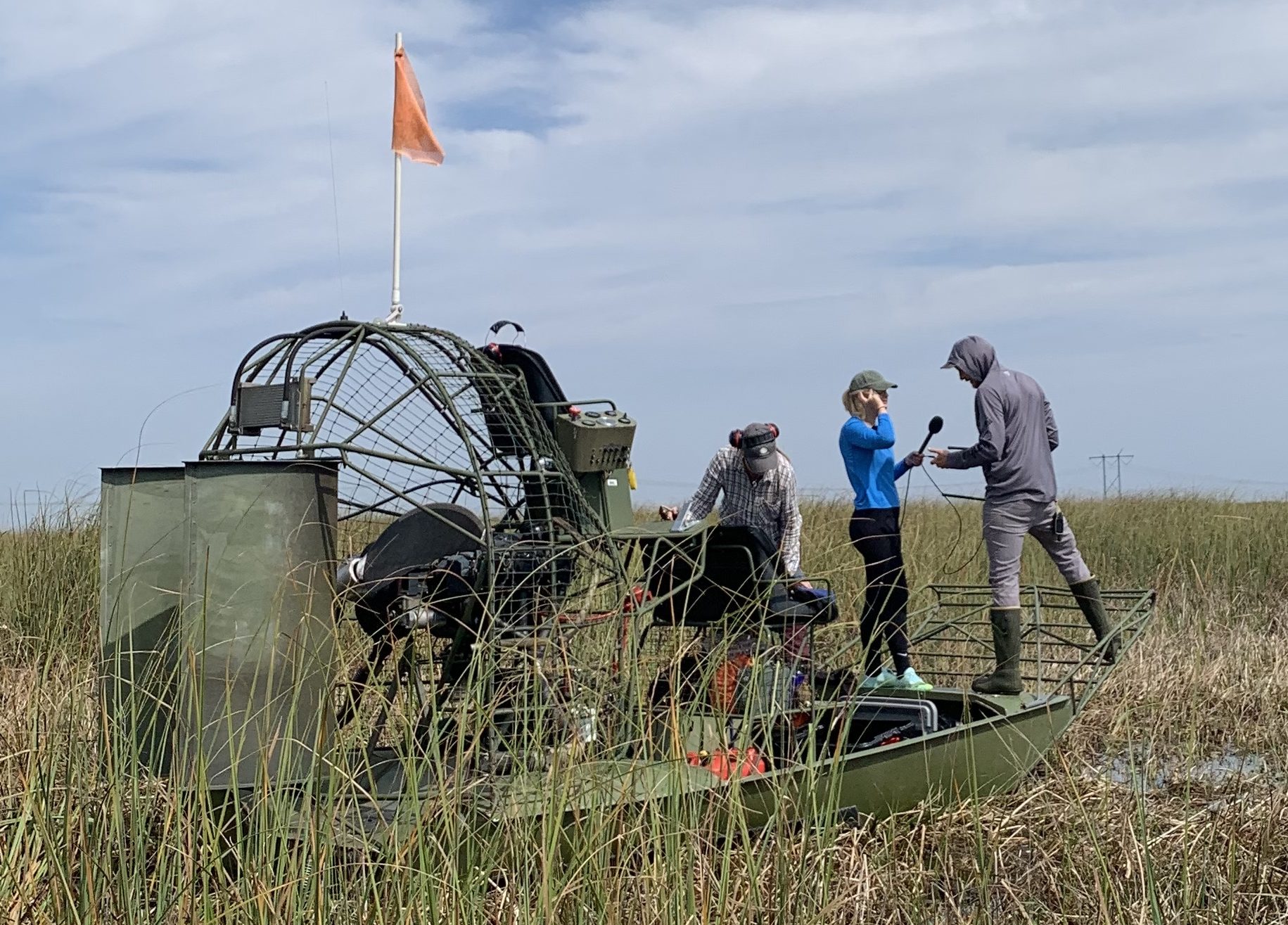
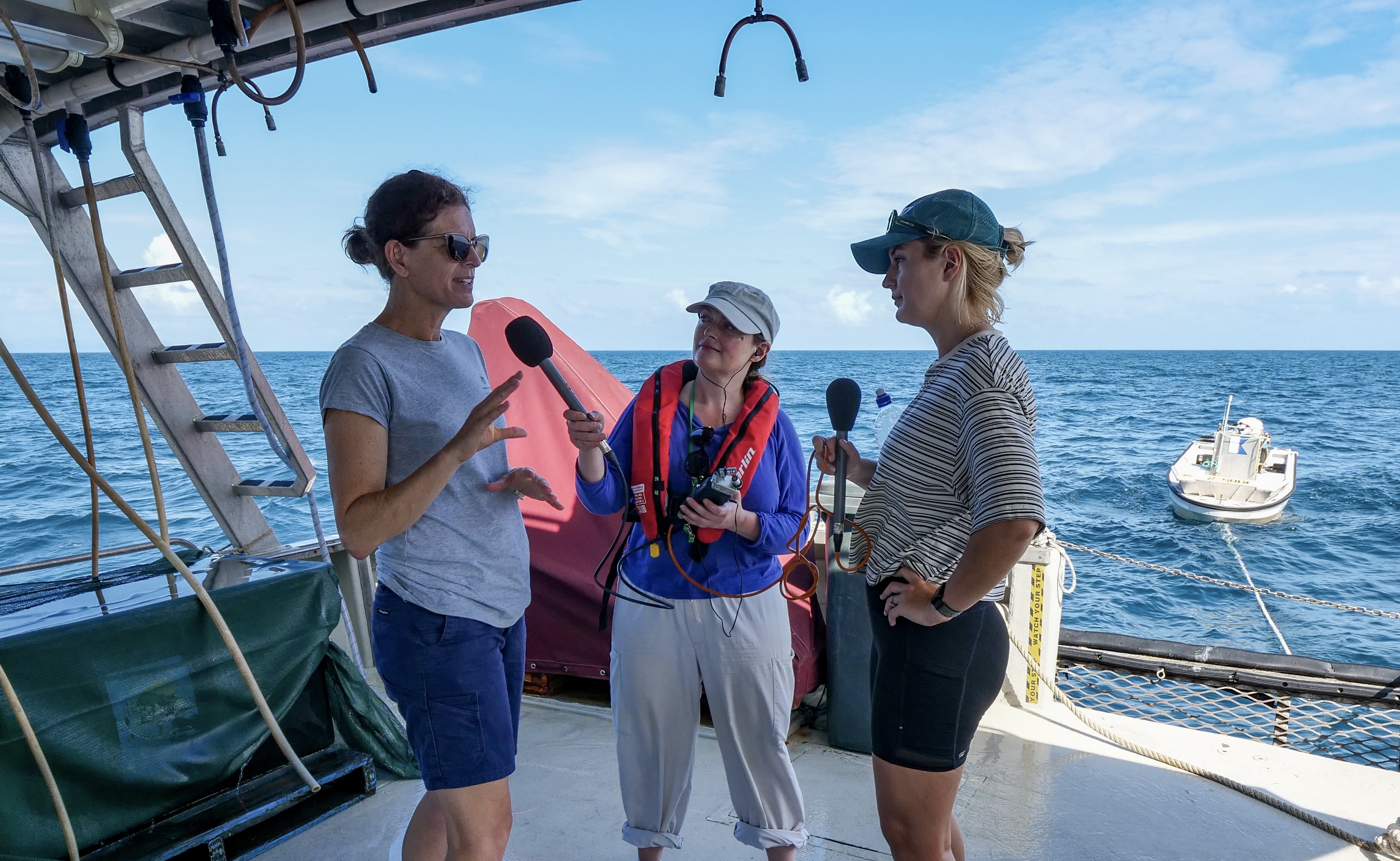
Working as a science presenter allows me to bother incredibly interesting people with my questions. With scientists, I’ve searched for Burmese pythons in swamps, helped plant shrubs to slow coastal erosion in Puerto Rico and planted baby coral to reinforce the Great Barrier Reef.
Most of my shows are broadcast nationwide on BBC Radio 4 or worldwide on the BBC World Service to 95 million unique listeners per week.

CrowdScience
I present CrowdScience, a weekly science documentary show on the BBC World Service. Each episode begins with a question from one of our listeners, and I track down scientists across the globe to find the answer.
Here are a few of my favourite episodes:
Can you play a guitar underwater?
Where does the sand in deserts come from?

Why am I gay?
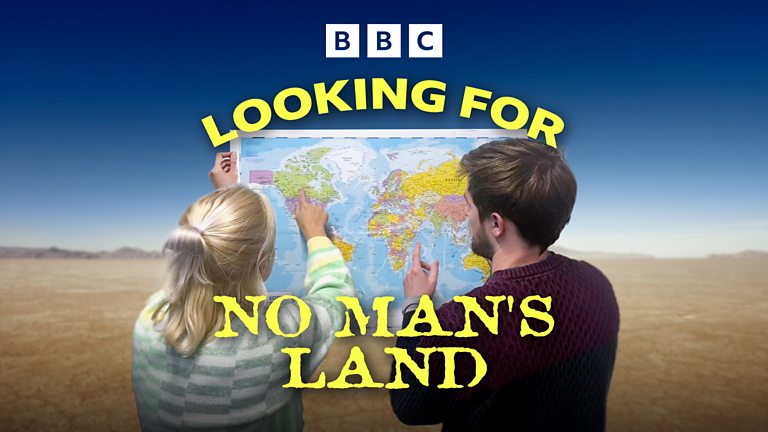
Looking for No Man’s Land
I recently finished a five-part series for BBC Radio 4, where I tried to find somewhere on Earth unaffected by Humans. Is there anywhere left on this planet that we haven’t changed, at all?
Wind Down Wisdom
Every week, I’m part of BBC Radio 3’s Classical Wind Down with Niall Breslin. I add a smattering of science into an evening of classical music. In each episode, I share a science-backed way to relax, from going on a run to stroking a pet. To be honest, I could do with practicing a bit more of what I preach.

Unexpected Elements
I often present Unexpected Elements, a weekly BBC World Service show where I’m joined by an international panel of journalists to look at the science behind the news headlines.

Science expert
I often appear on other shows as a science ‘expert’, including live programmes like Newshour and Woman’s Hour.
I regularly contribute to Radio 4’s Inside Science, where I share the science research that has caught my eye that week, from how to avoid satellite collisions, to how to cut onions without crying.
You can hear me on the BBC World Service’s climate change show, The Climate Question. I recently appeared on an episode about why coral reefs are surprisingly important for protecting our changing planet.

You can also hear me on What in the World, a daily news podcast for the BBC World Service. Recently, a huge, red-hot metal ring fell from the sky and landed in a village in Kenya. I explained why space junk is such a big issue, and how people are trying to get rid of it.


